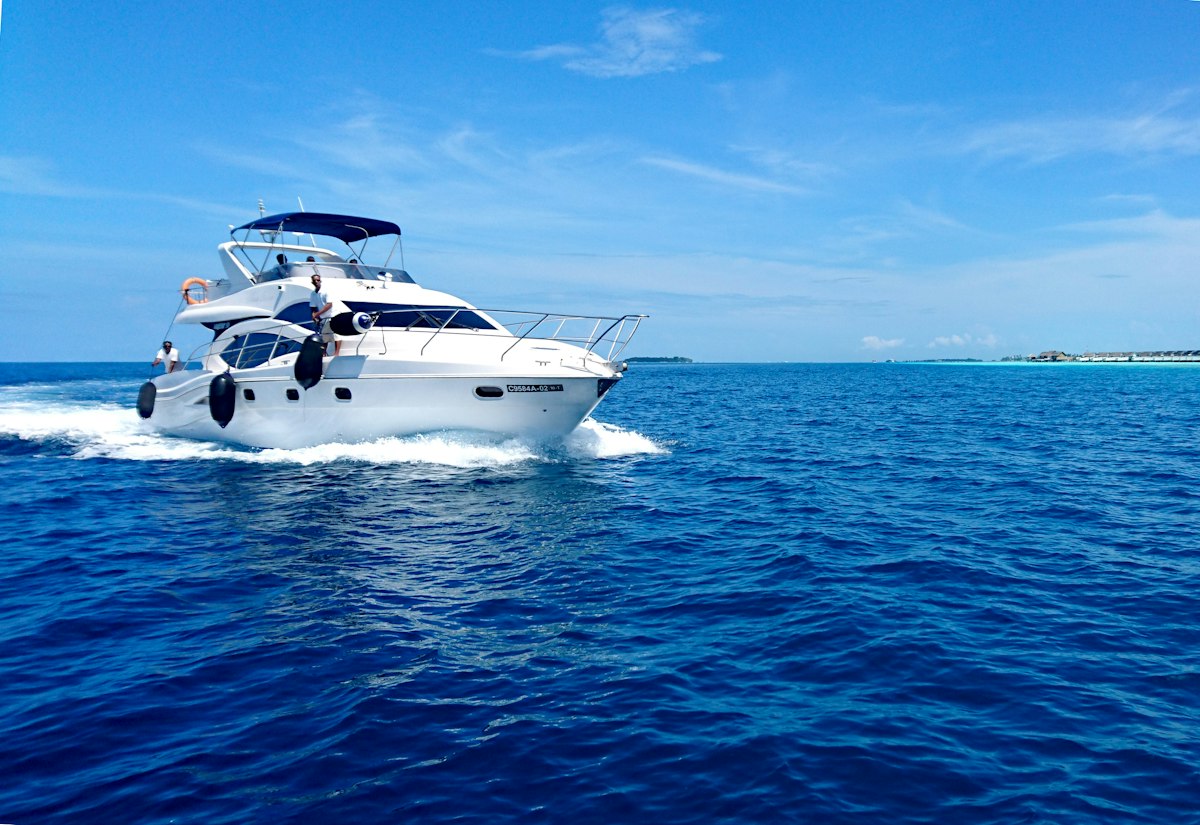
Florida's intense sun, salt spray, and humidity are brutal on gel coat. Without proper care, that glossy finish can turn chalky and oxidized in just a few seasons. Here's how to keep your yacht looking showroom fresh.
What Is Gel Coat?
Gel coat is the pigmented polyester resin that forms the outer surface of fiberglass yachts. It provides:
- Color and gloss
- UV protection for the underlying fiberglass
- Water resistance
- A smooth, easy-to-clean surface
Unlike paint, gel coat is typically 15-20 mils thick — much thicker than automotive paint. This means it can be compounded and polished multiple times before needing repair.
The Enemies of Gel Coat
UV Radiation
The number one killer. Florida's intense sunlight breaks down the polymer chains in gel coat, causing:
- Fading and color loss
- Chalking (white powdery surface)
- Crazing (fine surface cracks)
Salt and Minerals
Salt crystals are abrasive and hygroscopic (they attract water). Left on the surface, they:
- Scratch the finish during cleaning
- Create water spots that etch the surface
- Accelerate oxidation
Environmental Contaminants
- Bird droppings — Highly acidic, can etch within hours
- Fish blood and scales — Stains if not cleaned quickly
- Diesel soot — Common around marinas, bonds to surface
- Tree sap and pollen — Can permanently stain
Weekly Maintenance Routine
Rinse
Fresh water rinse after every outing. This removes salt before it crystallizes. Use a hose with moderate pressure — no need for a pressure washer for routine rinsing.
Wash
Weekly washing with proper products:
- Use marine-specific boat soap (pH balanced)
- Soft wash mitt or brush — never use scrub brushes on gel coat
- Work in sections, rinse before soap dries
- Wash from top to bottom
💡 Pro Tip: Two-Bucket Method
Use one bucket for soapy water, another with clean rinse water. Rinse your mitt in the clean water before dipping in soap. This prevents grinding contaminants into the gel coat.
Dry
Chamois or microfiber towels prevent water spots. Florida's hard water leaves mineral deposits if allowed to air dry.
Monthly/Quarterly Deep Care
Assessing Your Gel Coat's Condition
Run your hand over a clean, dry section. You should feel:
- Smooth and slick — Good condition, needs protection only
- Slightly rough — Light oxidation, needs polish
- Chalky or powdery — Heavy oxidation, needs compound then polish
The Correction Process
- Compound (if needed) — Removes oxidation and light scratches. Use a dual-action polisher with marine compound.
- Polish — Refines the finish and removes compound marks. Brings back gloss.
- Protect — Wax or ceramic coating to seal and protect.
Protection Options Compared
Traditional Carnauba Wax
- Pros: Deep warm glow, easy to apply, affordable
- Cons: Lasts only 4-8 weeks in Florida sun
- Best for: Show boats, owners who enjoy detailing
Synthetic Polymer Sealants
- Pros: Lasts 3-6 months, great water beading
- Cons: Less depth than wax
- Best for: Cruisers who want durability
Ceramic Coatings
- Pros: Lasts 1-3 years, excellent UV protection, hydrophobic
- Cons: Expensive, requires proper surface prep
- Best for: Owners who want long-term protection
Our Recommendation
For most Florida yacht owners, a professional ceramic coating pays for itself. The reduced maintenance time and superior UV protection make it worthwhile for yachts in constant sun exposure.
Stain Removal Guide
Waterline Stains (Yellow/Brown)
Caused by tannins, algae, and scum. Use oxalic acid-based hull cleaner, apply with spray bottle, let dwell 2-3 minutes, scrub with soft brush, rinse thoroughly.
Rust Stains
From metal hardware, screws, or stanchions. Use oxalic acid-based cleaner (FSR, Bar Keeper's Friend), make a paste, apply to stain, let sit 10-15 minutes. May need multiple applications for deep stains.
Fish Blood
Clean immediately with cold water. If dried, use hydrogen peroxide to break down protein, follow with boat soap wash. May need light compound for residual staining.
Bird Droppings
Remove within 24 hours to prevent etching. Wet thoroughly to soften, never scrape when dry, clean with boat soap. If etched, may need compound to level.
Common Mistakes to Avoid
- Using dish soap — Strips wax and can dull gel coat
- Pressure washing too close — Can damage gel coat at high pressure
- Washing in direct sunlight — Causes spotting and soap residue
- Using automotive products — Not formulated for marine UV exposure
- Neglecting the non-skid — Needs cleaning too, but different approach
- Over-compounding — Removes gel coat thickness unnecessarily
When to Call a Professional
DIY maintenance is great, but some situations need professional attention:
- Heavy oxidation covering large areas
- Deep scratches or gouges
- Crazing (spider web cracks in gel coat)
- Large stains that won't respond to cleaning
- Annual or bi-annual correction and coating
Maintenance Schedule Summary
- After every use: Fresh water rinse
- Weekly: Full wash
- Every 4-8 weeks: Traditional wax application
- Every 3-6 months: Sealant application
- Annually: Professional detail
- Every 1-3 years: Ceramic coating
Let Elite Yacht Care Handle It
From routine maintenance to complete yacht management, we're here to make ownership effortless.
Request a Consultation